Fraud Prevention starts with you
Protection at your fingertips
As check fraud continues to become a growing concern for businesses, it's essential to take necessary steps to protect yourself. Woodsboro Bank is doing all we can to prevent and spot fraud. By working together, we can provide an extra layer of protection.
- Use your online banking tools to stay up-to-date on your transactions and payments.
- Retrieve your mail daily and encourage others to do so as well.
- Use online bill pay and ACH payments when possible.
- Learn how to identify a fake or altered check.
- Report fraud or theft immediately.
As soon as you detect fraud or theft:

- Contact your bank and request copies of your checks.
- Contact your local police department.
- Contact all three credit agencies:
- Use available resources:
- Use a gel pen to write out checks.
- Fill in all the space on the payee and amount lines. Do not leave anything blank.
- Do not include any personal information on a check including Social Security number, credit card information, driver’s license number, or phone number.
- Review copies of your checks regularly in online banking or in your banking app.
- Follow up with the recipients of your checks to make sure they receive them.
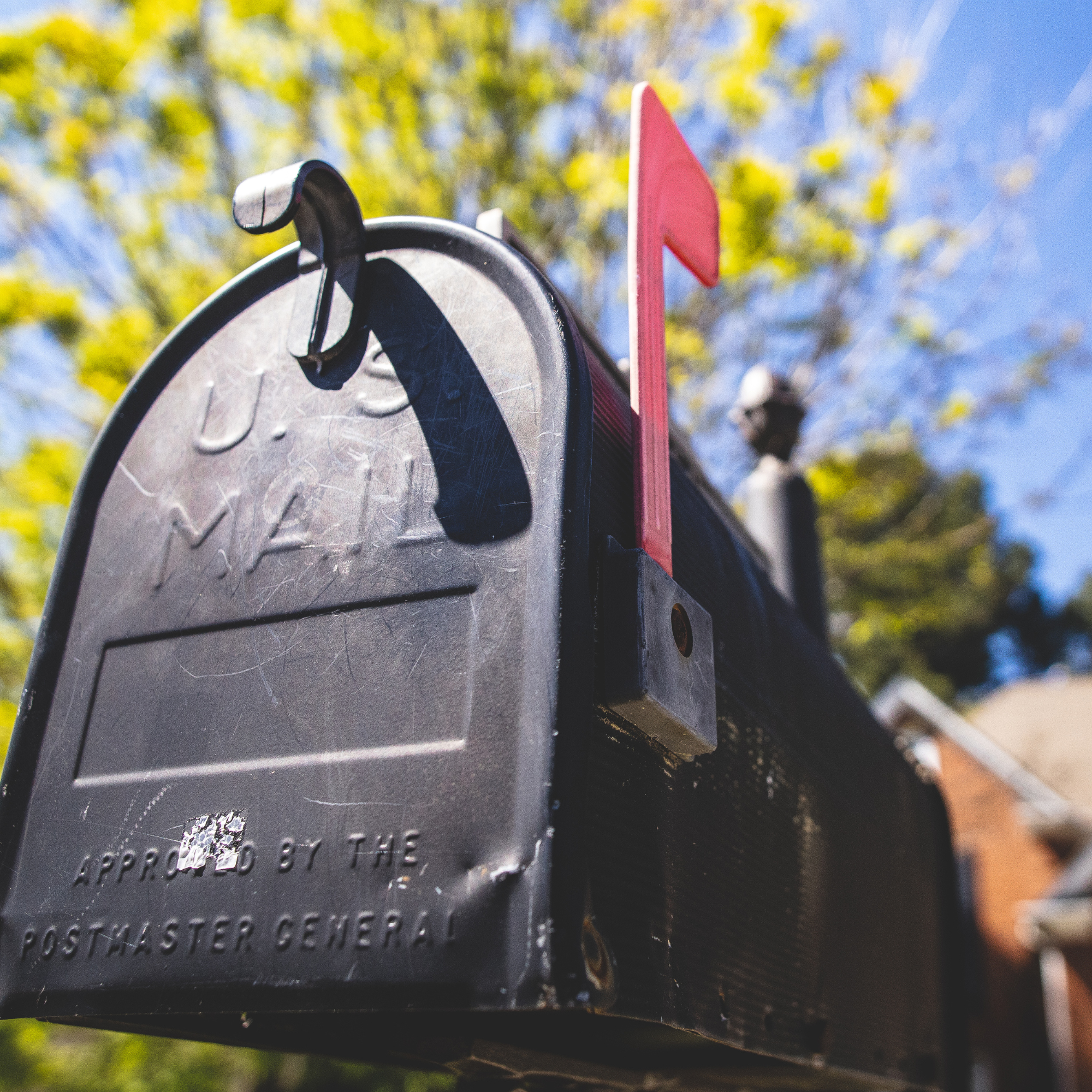
- Do not leave mail in your mailbox overnight. Ask the post office to hold your mail when you are out of town.
- Sign up for informed delivery notifications on USPS.com to inform you of incoming mail and packages.
- Contact the sender if you didn’t receive mail you were expecting.
- Use security envelopes when sending mail.
- Mail letters and packages at the post office.
- Report the issue to the United States Postal Inspection Service at uspis.gov/report or by phone at 1-877-876-2455
SMS / Text / Email Fraud
- Beware any texts or emails from unknown numbers or addresses, especially those that provide links or ask for ANY personal information.
- Before answering any potentially hazardous text message, confirm that it has a US area code (3 digits). Many scams are operated from foreign countries.
- Beware any unexpected product advertisements, and refrain from clicking on the link. Many scammers hide viruses inside advertisements as a means of downloading viruses.
Phishing
- When making contact, scammers and fraudsters rarely have what they need. They may attempt to impersonate a reputable source in order to gain your trust. This process is known as "phishing".
- Beware any messages asking for personal information or login details.
- If you receive messages any messages impersonating a business that you frequent, do NOT answer the message. Instead, call the business or reach out to the email listed on their website to confirm that it is not an impersonator.
- Do not volunteer ANY information, even if it seems non-critical. What seems unimportant to you may be exactly what phishers need to get access to the rest of your information.
Social Media Scams
- Beware fundraisers for or from unknown parties. Many scammers use GoFundMe or similar fundraising platforms as a mean of capturing sympathy, and by extension, donations.
- Beware any posts that advertise something that seems "too good to be true".
- Most social media scams revolve around captivating personal headlines like "Your Donation Can Save a Life", as well as professional ones like "Invest And Triple Your Money Within a Year".
- Social Media is NOT a reputable place to find any sort of advisor or expert, no matter if it is professional, financial, or personal. Reputable alternatives will appear in Google Searches and will not rely on social media as a means of capturing clientele.
Set yourself up for financial success, contact us today!
5 convenient locations
Get In Touch