


By Kenny Miller, Commercial Lender at Woodsboro Bank
As a commercial lender, I spend a lot of time talking with business owners in the trades like electricians, plumbers, HVAC contractors, mechanics, and other skilled professionals. I enjoy those conversations because I’m fairly mechanically inclined myself and can usually speak a similar language. Whether we're discussing a service truck, a new piece of equipment, or the purchase of a commercial property, I understand that you need practical answers, not banking jargon.
Some of the most common questions I receive are:
- What type of loan is appropriate for a specific purchase?
- How does cash flow work?
- What is DSCR, and how is it calculated?
Let's break down each of these topics in plain English.
What Type of Loan Is Right for the Purchase?
One of the biggest mistakes I see is trying to fit every purchase into the same financing solution. Different business needs generally call for different loan structures.
Equipment Loans
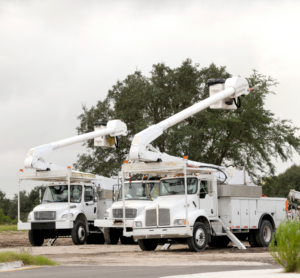 If you're purchasing a service truck, excavator, lift, compressor, diagnostic equipment, or other major tools, an equipment loan is often the best fit.
These loans are typically structured around the useful life of the asset. For example, a truck may be financed over a different term than a piece of shop equipment. The goal is to align the payment with how long the asset will help generate revenue for your business.
Lines of Credit
A line of credit is designed for short-term working capital needs.
Common uses include:
- Covering payroll while waiting on customer payments
- Purchasing inventory or materials
- Managing seasonal slowdowns
- Addressing unexpected expenses
Think of a line of credit as a financial toolbox you can access when cash flow timing doesn't line up perfectly.
Commercial Real Estate Loans
If you're purchasing a shop, warehouse, office, or investment property, a commercial real estate loan is typically the appropriate solution.
These loans generally have longer repayment terms because the asset provides value over many years. A properly structured real estate loan can help stabilize your operating costs and allow you to build equity in your business location.
Business Acquisition Loans
If you're buying an existing business or purchasing a partner's ownership interest, acquisition financing may be appropriate.
Every acquisition is unique, so these transactions require a careful review of financial performance, cash flow, and future growth opportunities.
The bottom line: the best loan depends on what you're buying, how long you'll use it, and how the purchase contributes to your business's ability to generate revenue.
Understanding Cash Flow
 Many business owners focus on profit, but lenders spend a lot of time evaluating cash flow.
Why?
Because cash flow is what makes loan payments.
A company can show a profit on paper but still struggle to pay bills if cash isn't available when it's needed. Conversely, a business may show lower profits while maintaining strong cash flow.
When we evaluate cash flow, we're asking:
- How much money is coming into the business?
- How predictable is that revenue?
- What expenses must be paid?
- After expenses are covered, is there enough money remaining to support debt payments?
For tradesmen, cash flow often fluctuates because of:
- Seasonal demand
- Project-based revenue
- Customer payment timing
- Material costs
- Labor expenses
Strong cash flow management helps ensure your business can continue operating smoothly while investing in growth opportunities.
Our Cash Flow Forecasting Template and Cash Reserves Checklist can help you understand your unique situation better.
What Is DSCR?
One of the most important measurements lenders use is the Debt Service Coverage Ratio, or DSCR.
Simply put, DSCR helps determine whether a business generates enough cash flow to cover its debt obligations.
The Formula
The basic calculation is:
DSCR = Available Cash Flow ÷ Annual Debt Payments
For example:
- Available Cash Flow: $150,000
- Annual Debt Payments: $100,000
DSCR = 1.50
A DSCR of 1.50 means the business generates $1.50 of cash flow for every $1.00 of debt payments.
What Goes Into the Calculation?
Although every situation is unique, lenders generally consider:
Business income
- Net operating income
- Business earnings
Add-backs Certain expenses may be added back because they don't represent ongoing cash leaving the business, such as:
- Depreciation
- Amortization
- Certain one-time expenses
Debt obligations We then compare available cash flow against:
- Existing business loan payments
- Proposed new loan payments
- Other recurring debt obligations
What Is a Good DSCR?
Generally speaking, a higher DSCR provides more financial flexibility.
A business with a DSCR of 1.50 has a larger cushion than a business with a DSCR of 1.10. That cushion becomes especially important when revenue slows, expenses increase, or unexpected challenges arise.
DSCR is only one piece of the overall picture, but it's one of the most important indicators lenders use to evaluate repayment capacity.
Let's Talk About Your Business Goals
Every business operates a little differently. The financing solution that works for a plumbing contractor may not be the right fit for an HVAC company, electrical contractor, auto repair shop, or excavation business.
That's why I believe the best approach starts with a conversation. Whether you're buying equipment, expanding your operation, purchasing commercial real estate, or exploring a business acquisition, understanding your business is an important first step toward making a confident decision.
My goal is to help local businesses build for the future—one smart investment at a time.
About Woodsboro Bank
Established in 1899 in response to the growing needs of the community, Woodsboro Bank is a community-based bank headquartered in Woodsboro, Maryland. With a vision to be the best bank in Central Maryland, Woodsboro Bank serves individuals, families, and businesses with a full suite of consumer and commercial financial products. With branch locations throughout Frederick County, Woodsboro Bank combines the financial resources of a regional institution with the personal care, agility, and heart of a true local partner. Driven by a commitment to community transformation, the Woodsboro Bank team is dedicated to helping local neighborhoods thrive together. For more information, visit woodsborobank.com.
Contacts:
Eve Butt
Senior Marketing Strategist
Postern
Eve@Posternagency.com
610-761-2558
Samantha Cutrona
Marketing Director
Woodsboro Bank
scutrona@woodsoborobank.com
301-898-4770